What I've Learned From a Decade Inside Regenerative Medicine Clinics
After approximately ten years working inside regenerative medicine programs — across strategy, training, education, coordination, seminars, webinars, and implementation — I have seen the same patterns repeat. The clinics that grow sustainably share a few habits that fragmented clinics do not.

Pattern 1: Organized programs document everything
The programs that scale are not the ones with the most charismatic providers. They are the ones with documented workflows. Every touchpoint is mapped, every team member knows their role, and the patient journey is repeatable — not improvised.
Pattern 2: Education is treated as a system
Fragmented clinics educate patients ad hoc. Organized programs build education into the journey — seminars, webinars, printed materials, explainer videos, and consultation frameworks that deliver a consistent message regardless of who the patient speaks with.
Pattern 3: Follow-up is not optional
The single biggest difference I see between programs that convert and programs that struggle is follow-up. Organized programs track every inquiry, nurture every lead, and have a defined timeline for re-engagement. Fragmented programs hope the patient calls back.
Hope is not a follow-up strategy. The programs that win treat every inquiry as a relationship to be nurtured, not a transaction to be closed.
Pattern 4: The team is trained, not just told
Training is not a one-time meeting. It is an ongoing framework that gives providers and staff a shared language for educating patients, handling questions, and guiding decisions. Programs that invest in training convert better and retain staff longer.
Pattern 5: Credibility compounds
Clinics that communicate honestly — without hype, without unsupported claims, without miracle language — build trust over time. That trust shows up in referrals, reviews, and patient retention. Credibility is not a marketing tactic. It is the foundation of a program that lasts.
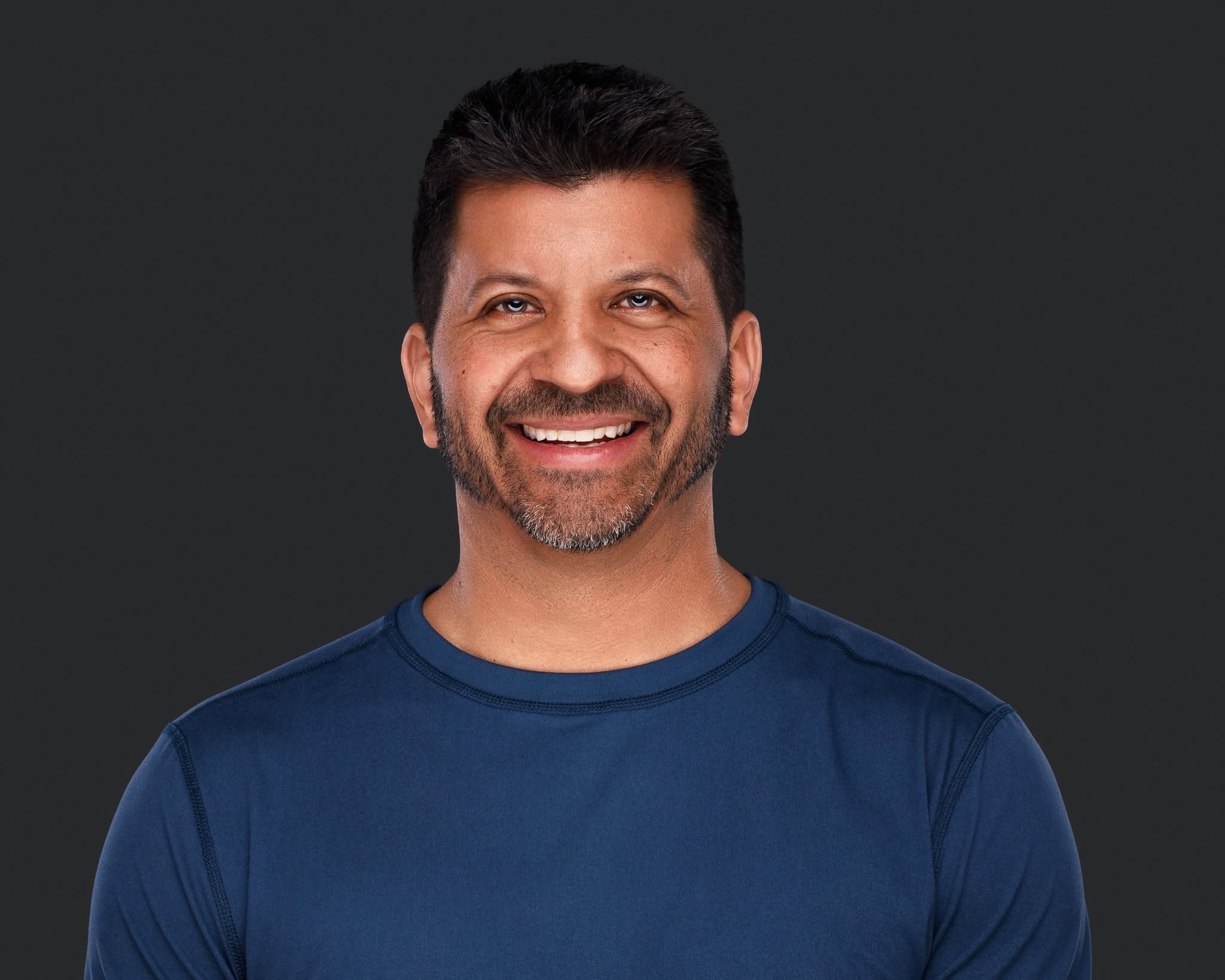
About James Epolito
James Epolito is the founder of Regenerative Medicine Architect and has spent approximately a decade working in regenerative medicine program strategy, provider and staff training, patient education, treatment coordination, seminars, webinars, workflow development, implementation, business development, and regenerative program growth.
James works with clinic owners and practice leaders to build organized, patient-centered regenerative programs. He is not a physician or diagnosing provider, and clinical decisions remain with appropriately licensed medical professionals.
Is Your Regenerative Program Built to Support the Entire Patient Journey?
Regenerative Medicine Architect helps clinics evaluate the systems behind their regenerative program — including patient education, lead follow-up, provider handoffs, team training, webinars, workflow, tracking, and implementation.
Request Your Free Program AssessmentRelated Insights



Educational Disclaimer
This content is provided for general educational and professional-development purposes and is not medical, legal, or regulatory advice. Regenerative medicine regulations, product classifications, clinical evidence, and state requirements may change. Clinics should consult appropriate licensed clinical, legal, regulatory, and compliance professionals regarding their specific circumstances. Patient diagnosis, candidacy, treatment recommendations, consent, and clinical care must be determined by appropriately licensed medical providers.