The Provider Handoff: Where Regenerative Medicine Programs Win or Lose Patient Trust
The provider handoff is one of the most overlooked moments in a regenerative medicine program. It is the point where a patient's understanding, confidence, and next step are either reinforced or quietly lost.

What the handoff actually is
A handoff is not just a transfer of information. It is the transition of trust. When a provider finishes a consultation, the patient should leave with a clear understanding of what was discussed, what their options are, what happens next, and who they can contact with questions. When that transition is unstructured, patients are left to interpret the conversation on their own — and many never return.
Why handoffs break down
- The provider explains the procedure but no one confirms what the patient actually understood.
- The front desk is not briefed on what was discussed, so follow-up feels disconnected.
- There is no documented next step, so the patient is left to chase the clinic.
- The treatment coordinator is brought in too late — or not at all.
- Different team members give slightly different explanations, eroding confidence.
A strong handoff is a system, not a personality. It works the same way whether your best provider or a new hire is running the consultation.
What a structured handoff looks like
An organized program builds the handoff into the workflow itself. After the consultation, the provider summarizes the key points with the patient, the coordinator reviews next steps and timing, and the front desk is looped in so follow-up is seamless. Every patient hears a consistent message, and every team member knows their role.
- 1Provider confirms the patient's understanding before ending the consult.
- 2Coordinator reviews options, timing, and financial questions.
- 3Front desk schedules or logs the next step in the CRM.
- 4Follow-up is triggered automatically — not left to memory.
The trust dividend
Clinics that invest in the handoff do not need to generate as many leads to grow their program, because more of the patients they already reach actually move forward. The handoff is where interest becomes a decision — and where a program earns or loses the trust it worked so hard to build.
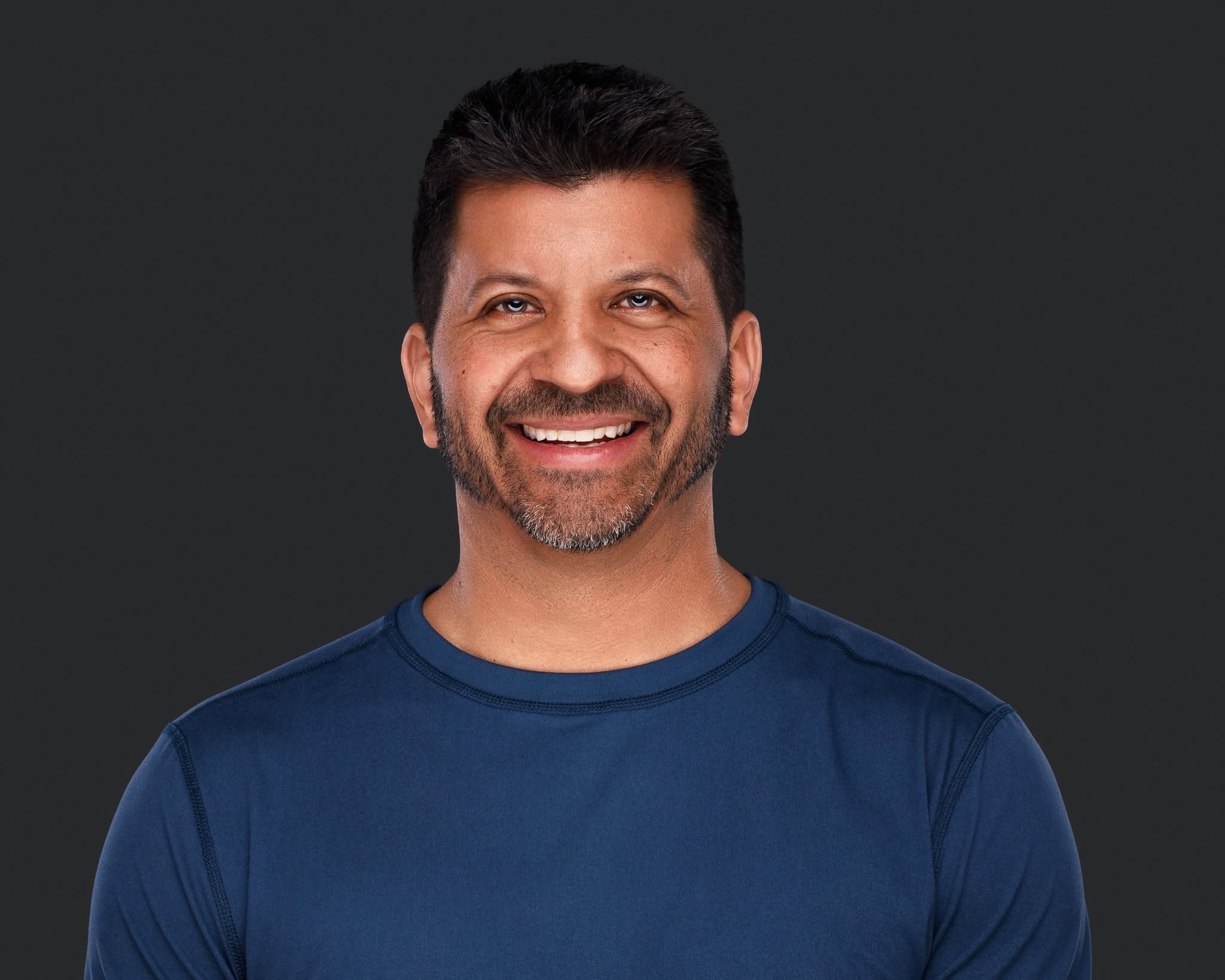
About James Epolito
James Epolito is the founder of Regenerative Medicine Architect and has spent approximately a decade working in regenerative medicine program strategy, provider and staff training, patient education, treatment coordination, seminars, webinars, workflow development, implementation, business development, and regenerative program growth.
James works with clinic owners and practice leaders to build organized, patient-centered regenerative programs. He is not a physician or diagnosing provider, and clinical decisions remain with appropriately licensed medical professionals.
Is Your Regenerative Program Built to Support the Entire Patient Journey?
Regenerative Medicine Architect helps clinics evaluate the systems behind their regenerative program — including patient education, lead follow-up, provider handoffs, team training, webinars, workflow, tracking, and implementation.
Request Your Free Program AssessmentRelated Insights



Educational Disclaimer
This content is provided for general educational and professional-development purposes and is not medical, legal, or regulatory advice. Regenerative medicine regulations, product classifications, clinical evidence, and state requirements may change. Clinics should consult appropriate licensed clinical, legal, regulatory, and compliance professionals regarding their specific circumstances. Patient diagnosis, candidacy, treatment recommendations, consent, and clinical care must be determined by appropriately licensed medical providers.